



We are committed to supporting Australia and New Zealand’s energy transition, by helping more consumers benefit from smart meter, solar, battery, EV charging and pool efficiency technology.
As advocates of the shift to renewable energy, we are also conscious of our responsibility to ensure the way we conduct our business is sustainable, to aid the future generations who will follow us.
This goes beyond the products and services we provide. We endeavour to work with our suppliers to improve the social and environmental outcomes in our supply chain – which is why we’ve partnered with Hayes Metals to collect and recycle our decommissioned smart meters in New Zealand.
Supporting sustainability
Intellihub chose Hayes Metals as its preferred recycling partner for their innovative recycling processes, ability to provide recycling certification for compliance, and exceptional recycling efficiency of up to 99.7%.
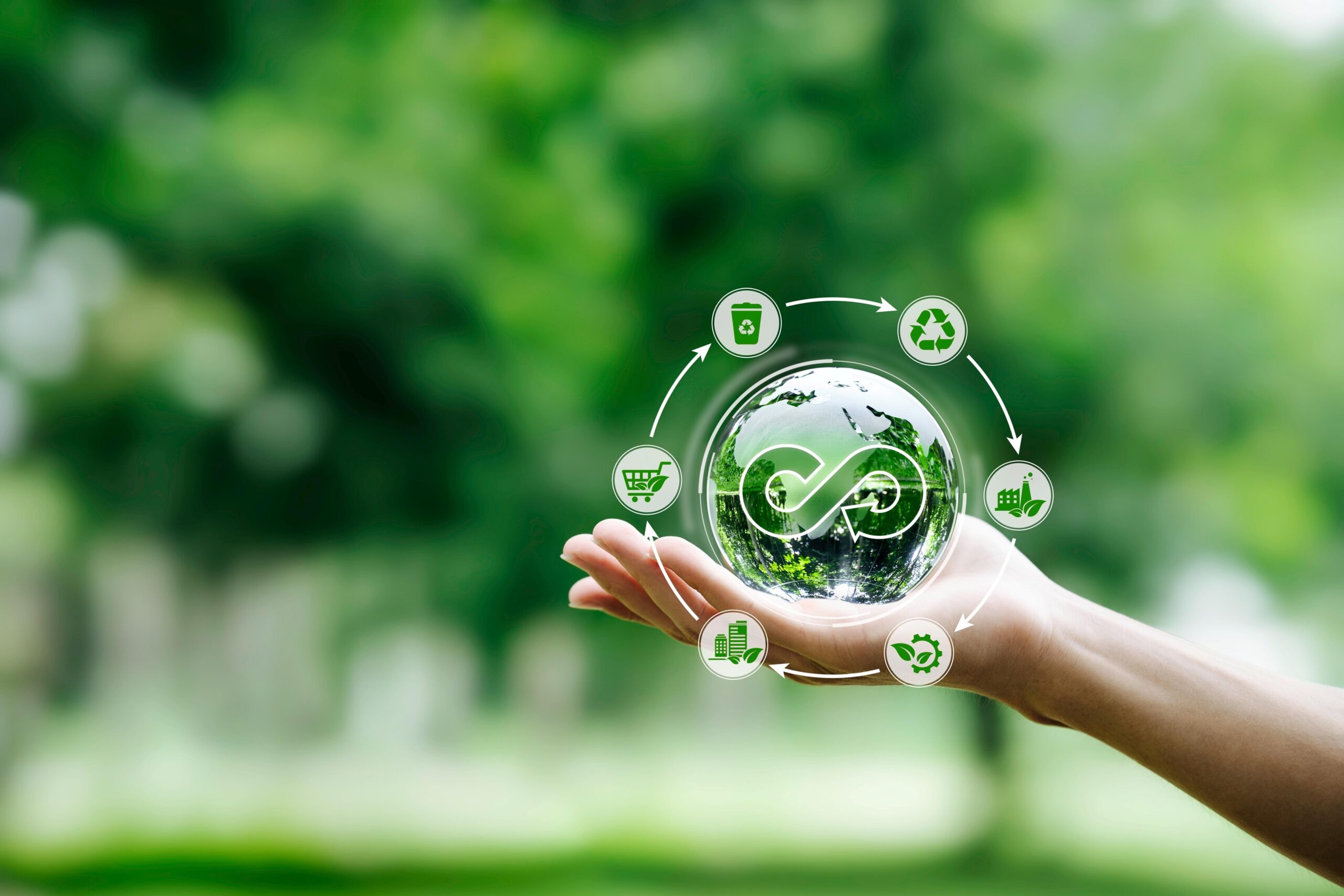
Establishing the agreement has been key as Intellihub seeks to foster a circular economy in its operations.
Circular economies aim to extend the life of products and materials through repurposing, recycling, remanufacturing, refurbishment and reuse.
This system tackles climate change and other global challenges, like biodiversity loss, waste, and pollution, by decoupling economic activity from the consumption of finite resources.
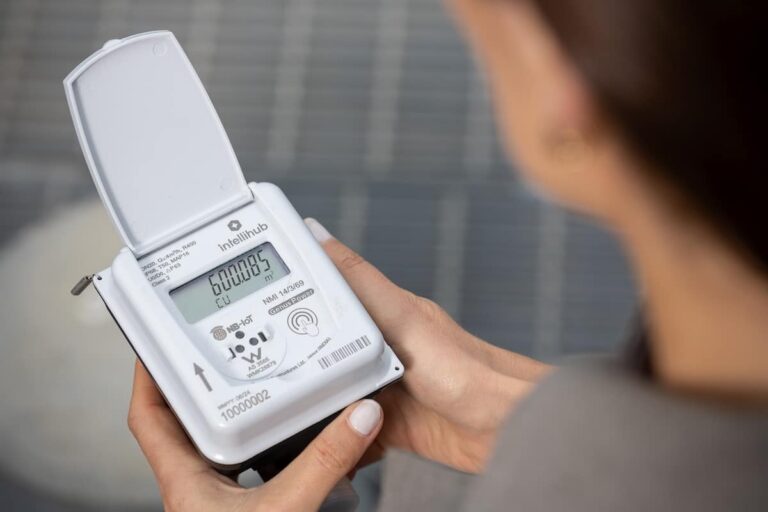
Intellihub has more than three million smart meters under management across ANZ and the amount we’re recycling together with Hayes Metals is significant.
In a recent 30-day period, together we recovered 18,726 kg of materials, which translates to 31.251 tCO2e (avoided emissions).
In practical terms, this equates to:
- The annual electricity use of about 3.3 homes
- Burning 13,251 litres of gasoline
- Brewing 1.5 million cups of coffee
- 35 round trips from Auckland to Wellington per passenger
In its operations, Hayes Metals recycles brass, PCB circuit boards and plastic from our old smart meters, to be repurposed in numerous ways.
- Brass is smelted and transformed into brass ingots. These ingots are then supplied to local foundries in New Zealand, Australia and internationally, where they are used to make a variety of products.
- Printed Circuit Boards (PCBs) are transported to specialized recovery facilities where precious metals are extracted and repurposed for the manufacture of new products.
- Plastic components are processed by melting and converting them into pellets, which are then reused in the production of new items.
We’re currently exploring a similar solution in Australia, ahead of a national initiative which will see 4.5 million existing electricity meters in New South Wales, Queensland, the Australian Capital Territory, and South Australia replaced by 2030.